




Fikr blogs
Fikr blogs

Varam unit

Fikr blogs
Fikr blogs

Varam unit

The Cinematic Propagation of Brahmanism: Reading Esoteric Ideology in Rahul Sadashivan's Horror Trilogy

The Cinematic Propagation of Brahmanism: Reading Esoteric Ideology in Rahul Sadashivan's Horror Trilogy

K SHABAS HARIS

The emergence of Rahul Sadashivan in contemporary Malayalam cinema marks a significant moment in the horror genre, showcasing films like Boothakalam, Bramayugam, and Dies Irae that are distinguished by their technical brilliance and sophisticated narrative structures. However, a critical examination suggests that beneath this polished aesthetic, these works subtly or explicitly function as vehicles for the propagation of Brahmanic esoterism and ideology. This tendency can be analyzed by drawing parallels with historical instances of ideological messaging in the industry, such as the screenwriting of T. Damodaran, whose works in the post-Mandal 1990s often romanticized Hindutva, justified Savarna victimhood, and focused on the social and cultural defense of Brahmanic positions. Sadashivan's approach, conversely, concentrates on the metaphysical and esoteric dimensions of Brahmanism, seeking to validate its ritualistic core.

Rahul Sadashivan (source: -https://www.themoviedb.org/person/3259226-rahul-sadasivan)

The Validation of Brahmanic Pseudoscience:

In Boothakalam, the director masterfully employs strong character dynamics and psychological elements to explore the presence of the supernatural. The narrative's subtle ideological engagement, however, lies in its attempt to validate Vasthusasthra—a pseudoscience deeply rooted in Brahmanic beliefs concerning architecture and 'spaces'—by framing it within a modern psychological context. By intertwining the conflict's genesis and resolution with the house's supernatural experience, Sadashivan imbues a caste-based belief system with a veneer of psychological plausibility. This subtle propagation of a Brahmanic pseudoscience, often associated with the construction of homes in Indian society, leverages the film's modern craft to legitimize an esoteric, tradition-bound framework.
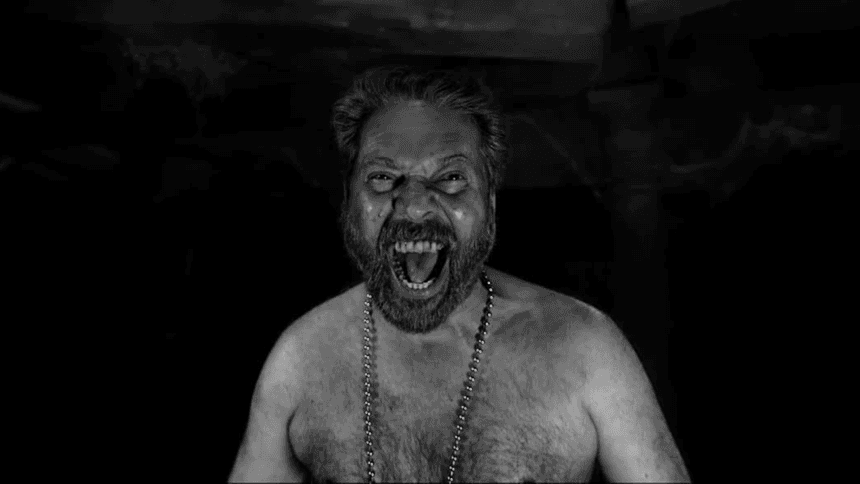
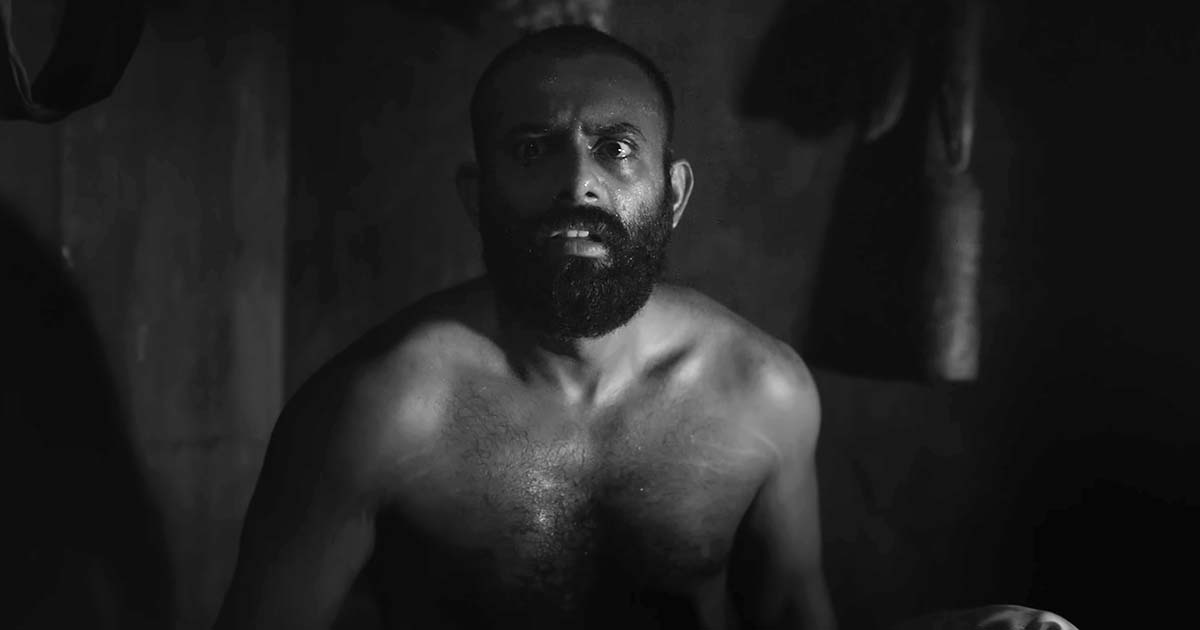
Stills from Bramayugam

The second film, Bramayugam, introduces a more overt, though historically contested, ideological framing concerning power and oppression. The film's period setting is interpreted as suggesting that colonial imperialism represented the end of caste oppression and the beginning of a new one. This perspective is historically unsound, as it overlooks the demonstrable fact that Brahmanism and colonial power frequently coexisted and mutually reinforced systems of oppression within the Indian social structure.
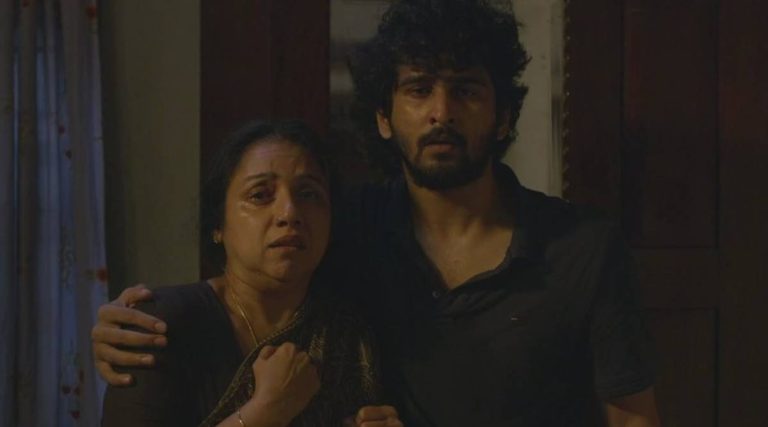
Stills from Bhoothakaalam

Dies Irae: Hereditary Knowledge and the Brahmin Archetype:

Sadashivan's subsequent film, Dies Irae, is arguably the most explicit in propagating the idea that Brahmins are the inherent 'holders of knowledge'. This is embodied in the character of the Brahmin neighbor, the 'Potty,' who is instantly established as possessing an innate understanding of the supernatural through minute natural changes. A crucial dialogue explicitly connects his capabilities to hereditary power, revealing his father was an exorcist, thereby directly justifying the caste system's reliance on inherited quality for knowledge and skill. This narrative device mirrors the historical justification of caste-based social stratification. Furthermore, the 'Potty' character is portrayed in a familiar, idealized Brahmin archetype: calm, helpful, and spiritual, despite his forced engagement in contractor work. This representation echoes T. Damodaran's post-Mandal narratives, where Brahmins were depicted as marginalized from their traditional roles due to reservation, suggesting a contemporary form of professional displacement while simultaneously asserting their inherent spiritual and intellectual superiority.

T Damodaran (Source: -https://m3db.com/t-damodaran)

The character's role as a 'guide' is also ideologically significant; he offers advice to the protagonist but performs minimal direct action, a tendency reflective of the historical Brahmanic role of advising the Kshatriyas (rulers) rather than governing directly. Moreover, the director employs deliberate visual cues—such as the Potty appearing without a shirt with 'punool', the dialogues with his mother, and the crucial scene where he is protected from the ghost only by entering the 'Pooja room'—to ensure his caste identity is unambiguously communicated to the audience. This insistence on visual and narrative markers highlights a conscious decision to link his esoteric knowledge and safety directly to his Brahmin identity, implicitly asserting the legitimacy of Brahmanical ritualism and inherited spiritual quality.

"While contemporary Malayalam cinema, exemplified by films like Lokah, seeks to reclaim and elevate the myths and culture of the subaltern classes as a bulwark against the encroachment of Hindutva ideology, Rahul Sadashivan's trajectory focuses on validating and foregrounding the esoteric and ritualistic elements of Brahmanism through technically superior filmmaking."

While contemporary Malayalam cinema, exemplified by films like Lokah, seeks to reclaim and elevate the myths and culture of the subaltern classes as a bulwark against the encroachment of Hindutva ideology, Rahul Sadashivan's trajectory focuses on validating and foregrounding the esoteric and ritualistic elements of Brahmanism through technically superior filmmaking. This approach, by lending modern cinematic credibility to Brahmanical myths and esoterism, risks contributing to the cultural environment that reinforces the ideological foundations of oppression, much like the ideologically charged narratives of the 1990s concentrated on social and cultural justification. The sophisticated craft of these horror films ultimately serves to update and re-legitimize an ancient, hierarchical belief system for a modern audience.

The emergence of Rahul Sadashivan in contemporary Malayalam cinema marks a significant moment in the horror genre, showcasing films like Boothakalam, Bramayugam, and Dies Irae that are distinguished by their technical brilliance and sophisticated narrative structures. However, a critical examination suggests that beneath this polished aesthetic, these works subtly or explicitly function as vehicles for the propagation of Brahmanic esoterism and ideology. This tendency can be analyzed by drawing parallels with historical instances of ideological messaging in the industry, such as the screenwriting of T. Damodaran, whose works in the post-Mandal 1990s often romanticized Hindutva, justified Savarna victimhood, and focused on the social and cultural defense of Brahmanic positions. Sadashivan's approach, conversely, concentrates on the metaphysical and esoteric dimensions of Brahmanism, seeking to validate its ritualistic core.

Rahul Sadashivan (source: -https://www.themoviedb.org/person/3259226-rahul-sadasivan)

The Validation of Brahmanic Pseudoscience:

In Boothakalam, the director masterfully employs strong character dynamics and psychological elements to explore the presence of the supernatural. The narrative's subtle ideological engagement, however, lies in its attempt to validate Vasthusasthra—a pseudoscience deeply rooted in Brahmanic beliefs concerning architecture and 'spaces'—by framing it within a modern psychological context. By intertwining the conflict's genesis and resolution with the house's supernatural experience, Sadashivan imbues a caste-based belief system with a veneer of psychological plausibility. This subtle propagation of a Brahmanic pseudoscience, often associated with the construction of homes in Indian society, leverages the film's modern craft to legitimize an esoteric, tradition-bound framework.

Stills from Bramayugam

The second film, Bramayugam, introduces a more overt, though historically contested, ideological framing concerning power and oppression. The film's period setting is interpreted as suggesting that colonial imperialism represented the end of caste oppression and the beginning of a new one. This perspective is historically unsound, as it overlooks the demonstrable fact that Brahmanism and colonial power frequently coexisted and mutually reinforced systems of oppression within the Indian social structure.

Stills from Bhoothakaalam

Dies Irae: Hereditary Knowledge and the Brahmin Archetype:

Sadashivan's subsequent film, Dies Irae, is arguably the most explicit in propagating the idea that Brahmins are the inherent 'holders of knowledge'. This is embodied in the character of the Brahmin neighbor, the 'Potty,' who is instantly established as possessing an innate understanding of the supernatural through minute natural changes. A crucial dialogue explicitly connects his capabilities to hereditary power, revealing his father was an exorcist, thereby directly justifying the caste system's reliance on inherited quality for knowledge and skill. This narrative device mirrors the historical justification of caste-based social stratification. Furthermore, the 'Potty' character is portrayed in a familiar, idealized Brahmin archetype: calm, helpful, and spiritual, despite his forced engagement in contractor work. This representation echoes T. Damodaran's post-Mandal narratives, where Brahmins were depicted as marginalized from their traditional roles due to reservation, suggesting a contemporary form of professional displacement while simultaneously asserting their inherent spiritual and intellectual superiority.

T Damodaran (Source: -https://m3db.com/t-damodaran)

The character's role as a 'guide' is also ideologically significant; he offers advice to the protagonist but performs minimal direct action, a tendency reflective of the historical Brahmanic role of advising the Kshatriyas (rulers) rather than governing directly. Moreover, the director employs deliberate visual cues—such as the Potty appearing without a shirt with 'punool', the dialogues with his mother, and the crucial scene where he is protected from the ghost only by entering the 'Pooja room'—to ensure his caste identity is unambiguously communicated to the audience. This insistence on visual and narrative markers highlights a conscious decision to link his esoteric knowledge and safety directly to his Brahmin identity, implicitly asserting the legitimacy of Brahmanical ritualism and inherited spiritual quality.

"While contemporary Malayalam cinema, exemplified by films like Lokah, seeks to reclaim and elevate the myths and culture of the subaltern classes as a bulwark against the encroachment of Hindutva ideology, Rahul Sadashivan's trajectory focuses on validating and foregrounding the esoteric and ritualistic elements of Brahmanism through technically superior filmmaking."

While contemporary Malayalam cinema, exemplified by films like Lokah, seeks to reclaim and elevate the myths and culture of the subaltern classes as a bulwark against the encroachment of Hindutva ideology, Rahul Sadashivan's trajectory focuses on validating and foregrounding the esoteric and ritualistic elements of Brahmanism through technically superior filmmaking. This approach, by lending modern cinematic credibility to Brahmanical myths and esoterism, risks contributing to the cultural environment that reinforces the ideological foundations of oppression, much like the ideologically charged narratives of the 1990s concentrated on social and cultural justification. The sophisticated craft of these horror films ultimately serves to update and re-legitimize an ancient, hierarchical belief system for a modern audience.

The emergence of Rahul Sadashivan in contemporary Malayalam cinema marks a significant moment in the horror genre, showcasing films like Boothakalam, Bramayugam, and Dies Irae that are distinguished by their technical brilliance and sophisticated narrative structures. However, a critical examination suggests that beneath this polished aesthetic, these works subtly or explicitly function as vehicles for the propagation of Brahmanic esoterism and ideology. This tendency can be analyzed by drawing parallels with historical instances of ideological messaging in the industry, such as the screenwriting of T. Damodaran, whose works in the post-Mandal 1990s often romanticized Hindutva, justified Savarna victimhood, and focused on the social and cultural defense of Brahmanic positions. Sadashivan's approach, conversely, concentrates on the metaphysical and esoteric dimensions of Brahmanism, seeking to validate its ritualistic core.

Rahul Sadashivan (source: -https://www.themoviedb.org/person/3259226-rahul-sadasivan)

The Validation of Brahmanic Pseudoscience:

In Boothakalam, the director masterfully employs strong character dynamics and psychological elements to explore the presence of the supernatural. The narrative's subtle ideological engagement, however, lies in its attempt to validate Vasthusasthra—a pseudoscience deeply rooted in Brahmanic beliefs concerning architecture and 'spaces'—by framing it within a modern psychological context. By intertwining the conflict's genesis and resolution with the house's supernatural experience, Sadashivan imbues a caste-based belief system with a veneer of psychological plausibility. This subtle propagation of a Brahmanic pseudoscience, often associated with the construction of homes in Indian society, leverages the film's modern craft to legitimize an esoteric, tradition-bound framework.

Stills from Bramayugam

The second film, Bramayugam, introduces a more overt, though historically contested, ideological framing concerning power and oppression. The film's period setting is interpreted as suggesting that colonial imperialism represented the end of caste oppression and the beginning of a new one. This perspective is historically unsound, as it overlooks the demonstrable fact that Brahmanism and colonial power frequently coexisted and mutually reinforced systems of oppression within the Indian social structure.

Stills from Bhoothakaalam

Dies Irae: Hereditary Knowledge and the Brahmin Archetype:

Sadashivan's subsequent film, Dies Irae, is arguably the most explicit in propagating the idea that Brahmins are the inherent 'holders of knowledge'. This is embodied in the character of the Brahmin neighbor, the 'Potty,' who is instantly established as possessing an innate understanding of the supernatural through minute natural changes. A crucial dialogue explicitly connects his capabilities to hereditary power, revealing his father was an exorcist, thereby directly justifying the caste system's reliance on inherited quality for knowledge and skill. This narrative device mirrors the historical justification of caste-based social stratification. Furthermore, the 'Potty' character is portrayed in a familiar, idealized Brahmin archetype: calm, helpful, and spiritual, despite his forced engagement in contractor work. This representation echoes T. Damodaran's post-Mandal narratives, where Brahmins were depicted as marginalized from their traditional roles due to reservation, suggesting a contemporary form of professional displacement while simultaneously asserting their inherent spiritual and intellectual superiority.

T Damodaran (Source: -https://m3db.com/t-damodaran)

The character's role as a 'guide' is also ideologically significant; he offers advice to the protagonist but performs minimal direct action, a tendency reflective of the historical Brahmanic role of advising the Kshatriyas (rulers) rather than governing directly. Moreover, the director employs deliberate visual cues—such as the Potty appearing without a shirt with 'punool', the dialogues with his mother, and the crucial scene where he is protected from the ghost only by entering the 'Pooja room'—to ensure his caste identity is unambiguously communicated to the audience. This insistence on visual and narrative markers highlights a conscious decision to link his esoteric knowledge and safety directly to his Brahmin identity, implicitly asserting the legitimacy of Brahmanical ritualism and inherited spiritual quality.

"While contemporary Malayalam cinema, exemplified by films like Lokah, seeks to reclaim and elevate the myths and culture of the subaltern classes as a bulwark against the encroachment of Hindutva ideology, Rahul Sadashivan's trajectory focuses on validating and foregrounding the esoteric and ritualistic elements of Brahmanism through technically superior filmmaking."

While contemporary Malayalam cinema, exemplified by films like Lokah, seeks to reclaim and elevate the myths and culture of the subaltern classes as a bulwark against the encroachment of Hindutva ideology, Rahul Sadashivan's trajectory focuses on validating and foregrounding the esoteric and ritualistic elements of Brahmanism through technically superior filmmaking. This approach, by lending modern cinematic credibility to Brahmanical myths and esoterism, risks contributing to the cultural environment that reinforces the ideological foundations of oppression, much like the ideologically charged narratives of the 1990s concentrated on social and cultural justification. The sophisticated craft of these horror films ultimately serves to update and re-legitimize an ancient, hierarchical belief system for a modern audience.

K SHABAS HARIS

K SHABAS HARIS

R

Create a free website with Framer, the website builder loved by startups, designers and agencies.